If you’re trying to access Microsoft Teams from a browser, the fastest route is usually teams.microsoft.com login. This guide explains exactly how to sign in, what to do if it fails, and how to use Teams on web, desktop, and mobile—using easy language and clear steps.
Important note: Microsoft Teams sign-in can look slightly different depending on whether you use a work/school account or a personal Microsoft account. That’s normal.
What “teams.microsoft.com login” means?
When people search teams.microsoft.com login, they usually want to open Teams in a browser and sign in immediately. The page you land on is part of Microsoft Teams’ official sign-in experience, and it’s closely connected with Microsoft 365 identity (your organization’s email and password, plus any extra verification like MFA).
The two most common account types
Before you do teams.microsoft.com login, confirm what kind of account you have:
- Work or School account (Microsoft 365 / Organization account)
Examples:name@company.com,name@college.edu
These accounts are controlled by an organization (admin policies, security rules, sign-in methods). Teams is typically tied to your Microsoft 365 credentials. - Personal Microsoft account
Examples:name@outlook.com,name@hotmail.com
Some personal-use Teams experiences exist (including free options), but many workplaces specifically require a work/school account for full Teams features.
B) What you need ready before teams.microsoft.com login
To avoid sign-in loops and errors, prepare these items first:
- Your email/username (work/school or personal)
- Your password
- Your phone/app for MFA (if enabled)
- Stable internet connection
- A modern browser (Chrome, Edge, Firefox, Safari)
If your organization uses extra sign-in steps, you might see a code request or approval prompt. Microsoft itself notes that extra verification may be required depending on org requirements.
C) Quick safety check (very important)
Because “login” searches can sometimes lead people to look-alike pages, always ensure:
- The address is the correct Microsoft Teams web entry (Teams official sign-in route)
- You are not signing in from suspicious pop-ups or unknown links
- If you’re unsure, start from Microsoft’s Teams login page and continue from there
How to do teams.microsoft.com login in a web browser?
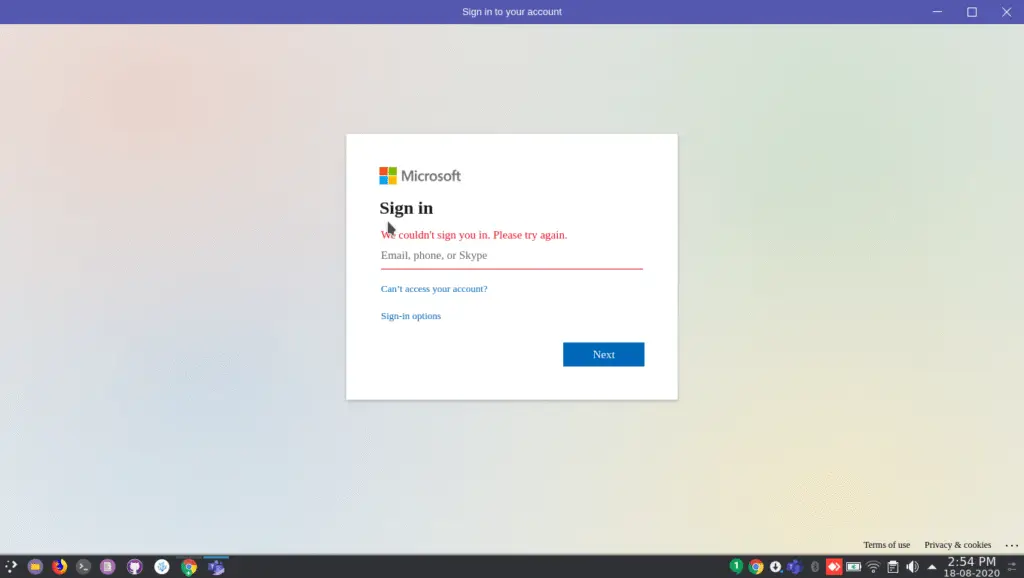
This is the most direct method: open Teams in your browser and sign in. If your goal is quick access without installing anything, teams.microsoft.com login is the path most users choose.
Step-by-step: teams.microsoft.com login (Web)
Follow these steps in order:
- Open your browser: Use Chrome, Edge, Firefox, or Safari (updated version).
- Go to the Teams login entry:Start from the official Teams login page or go to Teams web sign-in flow.
- Enter your email / username: Use your work/school email if you’re signing in for an organization. Use your personal Microsoft account email if that’s what you have.
- Enter your password:Make sure caps lock is off.If you’re on a shared device, avoid saving the password.
- Complete extra verification (if asked):Many organizations require MFA (code, phone approval, authenticator app). Approve the sign-in request or enter the code.Microsoft notes that additional verification may be required depending on your organization.
- Land in Teams web: You should see Teams’ interface (Chat, Teams, Calendar, etc.). If it redirects you repeatedly, jump to the troubleshooting section below.
Common web sign-in tips (to prevent errors)
- If you’re signed into multiple Microsoft accounts in the same browser, teams.microsoft.com login may pick the wrong one. Try a private/incognito window.
- Clear cookies for Microsoft sites if you’re stuck in loops.
- If your company uses a special sign-in method, your IT admin may need to confirm your account/domain settings.
Microsoft Teams login on Desktop and Mobile (Windows, Mac, Android, iPhone)
Many users start with teams.microsoft.com login in a browser, then later move to the desktop app for better performance, notifications, and calling features. Microsoft provides official download paths for Teams apps (desktop and mobile).
A) Desktop app login (Windows/Mac)
When to prefer desktop:
- You need stable calling/meeting experience
- You want system notifications
- You use Teams daily for work
Steps:
- Download Teams:Use Microsoft’s official download page.
- Install Teams
- Windows: run installerMac: drag to Applications folder
- Open Teams and sign in
- Enter your email and passwordComplete MFA if prompted
B) Mobile app login (Android/iPhone)
When to prefer mobile:
- You need chats and meeting join on the go
- You want call notifications and quick access
Steps:
- Install the Microsoft Teams app
- Android: Google Play listing exists for Teams. (Google Play)
- Open the app and sign in
- Enter your account emailEnter passwordComplete verification if needed
C) Quick option: Join a meeting without full sign-in (sometimes)
If your goal is only to join a meeting, Microsoft provides meeting join paths (for example, joining a meeting from a link or meeting page).
Also Read:
- XXXTentacion: Biography, Songs, and the Story Behind “Hope”
- HeyCash Surveys: Complete Beginner Guide to Earn Money on HeyCash (heycash.com)
- Amazon Survey: Legit Ways to Earn Rewards, Avoid $100/$1000 Scams, and Use Amazon.com Survey Links Safely
- Dropmms Guide: Meaning, Uses, Safety Tips and Best Practices
- Opinion Outpost Login: Step-by-Step Sign In Guide, Password Reset, and Fixing Login Problems
Fix teams.microsoft.com login problems (Most common errors + working solutions)
If teams.microsoft.com login is not working, don’t worry—most issues fall into a few repeat categories: account problems, browser/app cache problems, network restrictions, or policy/MFA issues.
Microsoft’s own guidance says that if you can’t complete sign-in, it may be tied to your organization’s domain or Microsoft 365 account—and your IT admin may need to help. Microsoft also provides official troubleshooting and sign-in repair steps, including guidance for resolving sign-in errors. (Microsoft Learn)
A) Problem: Stuck in a login loop (keeps redirecting)
What it looks like:
You enter email/password, then it sends you back again and again.
Fixes (try in this order):
- Open a private/incognito window and try teams.microsoft.com login again
- Clear cookies/site data for Microsoft sign-in related domains
- Disable browser extensions temporarily (ad blockers can sometimes interfere)
- Try a different browser (Edge/Chrome often works best)
B) Problem: “Can’t sign in” (work/school account issue)
What it means:
Sometimes Teams recognizes your credentials are linked to Microsoft 365, but the org/account setup has a problem.
Best action:
- Confirm you’re using the correct work/school email
- Try logging into Microsoft 365 first (then open Teams)
- Contact your IT admin if it still fails—Microsoft specifically mentions domain/org account issues may require admin help.
C) Problem: Teams app won’t show the sign-in window / access seems lost
Microsoft provides guidance for restoring access, including checking for system tray notifications and quitting/reopening the app to bring back the sign-in window. (Microsoft Support)
Fixes:
- Look near the clock (system tray) for Teams icon notifications
- Quit Teams fully and reopen (don’t just close the window)
D) Problem: Desktop app sign-in errors (cache corruption / broken install)
Microsoft’s troubleshooting for resolving sign-in errors can include reinstall steps and deleting Teams data folders in some cases. (Microsoft Learn)
Fixes (careful, but effective):
- Update Teams
- Sign out and sign back in
- If needed: uninstall and reinstall Teams (and follow Microsoft troubleshooting steps for sign-in errors)
E) Problem: Personal Microsoft account sign-in trouble
If you’re using a personal Microsoft account and can’t sign in, Microsoft has account sign-in recovery guidance and tools to identify common issues.
Fixes:
- Reset password if you forgot it
- Confirm recovery email/phone access
- Use Microsoft’s official sign-in troubleshooting help (Microsoft Support)
F) Quick checklist (fast troubleshooting)
Use this checklist if teams.microsoft.com login fails:
- ✅ Correct account type (work/school vs personal)
- ✅ Stable internet (try switching Wi-Fi to mobile hotspot once)
- ✅ Try private window
- ✅ Clear cookies/cache
- ✅ Try another browser
- ✅ Check MFA device/time settings
- ✅ For org accounts: contact IT admin if domain/policy blocks sign-in.
FAQs (Quick Answers)
Is teams.microsoft.com login official?
Yes—Teams sign-in routes and the Microsoft Teams login page are hosted under Microsoft’s official Teams web experience.
What’s the difference between “microsoft teams login” and “ms teams login”?
They mean the same thing—both refer to signing in to Microsoft Teams (web, desktop, or mobile). The steps are similar; the only difference is the platform you use.
Why does Teams ask for extra verification?
Many organizations require additional verification (MFA) for security. Microsoft notes you may be asked for additional verification depending on your organization.
What if my organization blocks me from joining a meeting?
Some meetings are restricted by organizational policy (or encryption settings). If you see policy-related messages, contact the organizer or your IT admin.
Conclusion
Using teams.microsoft.com login is the quickest way to access Microsoft Teams in a browser, especially when you want instant access without installing anything. If you prefer a smoother daily workflow, the desktop and mobile apps are great options too. And if sign-in fails, most problems can be fixed with simple steps like clearing cookies, switching browsers, re-opening the app, or—when it’s an organization policy issue—getting help from your IT admin. (Microsoft Support)
If you want, tell me whether your account is Work/School or Personal, and what error you see during teams.microsoft.com login—I’ll give you the best fix path in the same step-by-step format.

John Hardy is a multi-niche website owner and digital publisher who covers what people are searching for right now. He writes clear, helpful content on trending topics, online surveys and rewards programs, must-try apps, entertainment updates, technology guides, automobile insights, personal finance tips, and more. With a focus on accuracy and easy-to-follow explanations, John turns complex information into practical reads that save time and help users make smarter choices online. His goal is simple: publish reliable, up-to-date articles that answer real questions, highlight useful tools, and keep readers informed across the web’s most popular categories.